
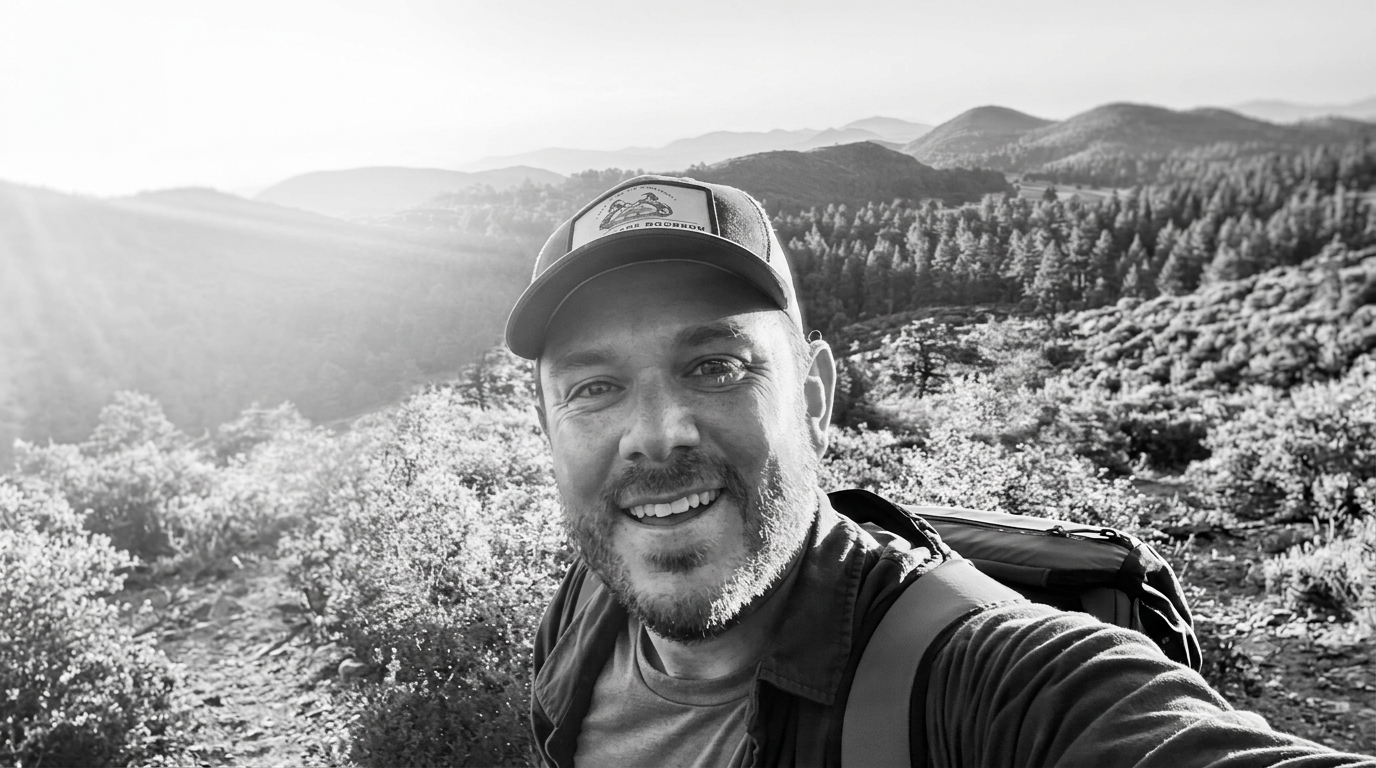
From midnight radio remotes to high-stakes direct-response growth
How did you break into this world, and what originally attracted you to an audio marketing career?
Like a lot of people who have been in the space for a while, I completely fell into it because it wasn’t exactly a formalized track back then. I grew up in Pennsylvania, went to college there, and fully expected to go to law school. But the moment I received the actual law school pamphlet, I reached the second page and realized it wasn’t going to work out.
I shifted to double majoring in Communication Arts and Sciences, focusing on rhetoric and public speaking, and Telecommunications, because I knew I loved media. During a communications career fair, a guy from a local radio station asked if I wanted an internship. I took it, spent three years there during undergrad, and worked my way up from an intern to a co-host, eventually landing my own show.
That’s a classic broadcast foundation. Where did you take that initial media momentum after college?
I moved down to Houston, Texas, and took a job at a group of local radio stations. I was throwing out T-shirts, running remote broadcasts, and getting paid seven dollars to show up at bars during local rodeos. As you can guess, that didn’t pay the bills very well. So from there, I transitioned to selling digital marketing for Hearst Media, which meant cold calling local business owners and charging them a hundred bucks to set up a corporate Facebook page. I absolutely hated cold calling; my personality just isn’t built for it.
The real turning point in my audio marketing career happened when a buddy of mine went to work for a radio agency. I walked in for an interview, and they hired me on the spot because they desperately needed help and I had direct radio experience. It was a classic case of being at the right place at the right time.
You went from cold calling straight into managing massive direct-response volume. What did the next phase of your path look like?
I spent a couple of years there learning the ropes, then moved out to California to join Veritone, which is where I first met Patrick Lennon. Eventually, I hit a massive wall of burnout. I was personally managing tens of millions in broadcast and audio ad spend, which is an intense operational workload. I took some much-needed time off to recharge my batteries.
When I was ready to step back into the industry, I reached out to Patrick because I knew he had launched a smaller, more focused agency. That was the exact type of environment I wanted—a close-knit shop where you can actually do great work for your clients without getting bogged down by corporate layers. I’ve been with the team here at ROI MEDIA 360 for about two years now.
So what does an Associate Director of Strategy actually do all day?
My role centers heavily on aligning performance goals, building strategic media recommendations, and coordinating budgets. I directly run the strategy and oversee our digital audio and video presence across podcasts and YouTube for several of our largest accounts. I act as the central link connecting the dots between our day-to-day account managers like Rachel, our internal ad verification teams, and our external network buyers like Kristen. I’m the person setting the operational blueprint, determining whether we should shift budgets between streaming audio, podcasts, or radio, and mapping the entire media plan to the client’s precise metrics.
You are a heavy consumer of podcasts yourself, which is surprisingly rare for media strategists. What shows do you queue up for fun?
I listen to a ton of sports podcasts, especially the Barstool Sports lineup and The Ryen Russillo Show. I also listen to Dan Patrick, though I stick to the podcast version of his broadcast. Beyond sports, I heavily follow Breaking Points because they do an excellent job of balancing conservative and liberal viewpoints on news and politics. I’ll also check in on Joe Rogan if he has a guest that catches my eye.
Listening to these shows serves as great competitive intelligence. I’m constantly pausing mid-episode to figure out what brands are buying inventory and how their host-reads are being framed.
Are you strictly an audio listener, or have you integrated streaming video podcasts into your daily routine?
I’m still an audio diehard at heart, mostly because I do my listening while walking my dog or working out at the gym. If I have video on while I’m at my laptop, I end up focusing entirely on the show and distracting myself from actual client work.
However, I am starting to watch them a lot more on the living room TV in the background. The cultural shift toward video is real, and the next decade is going to be fascinating to watch. Podcasts have already replaced traditional late-night TV talk shows. Shows like Call Her Daddy pull visual ratings that completely dwarf linear network giants like Jimmy Fallon or Jimmy Kimmel.
Looking back over your audio marketing career, what achievement makes you the most proud?
Building client accounts from the absolute ground up. I’ve scaled brands from nothing to millions of dollars in ad spend, which takes intense dedication, precise optimization, and staying entirely ahead of industry trends.
My lifelong fandom of audio media gave me a massive leg up over legacy radio buyers who had been around for twenty years but had absolutely no idea who creators like Joe Rogan were. Staying relevant is tough—I’m 34 and don’t use TikTok or watch young viral vloggers, so I already feel like I’m aging out of some trends—but keeping your finger on the pulse of direct response is what keeps our client returns so high.
Final question. What is the biggest professional benefit you’ve found working within a concierge agency model?
There is zero red tape, and Patrick is incredibly available. When you work at a giant media network with 150 employees, your clients quickly get lost on a spreadsheet, and it becomes impossible to deliver your best strategic work.
At ROI MEDIA 360, we have the space to treat our clients like genuine partners. We don’t hide behind automated templates or pass budgets down a corporate assembly line. We build tailored strategies based on real historical data, and that’s exactly why our campaigns drive such high performance.